Transitioning to Solids: 10 Best Puree Recipes for Babies
Puree recipes for babies offer a an explosion of taste experiences for your infant. Tiredness from the same old purees doesn’t exist in this realm, where there’s a diverse world of delicious flavors and nutritious ingredients for your child’s exploration.
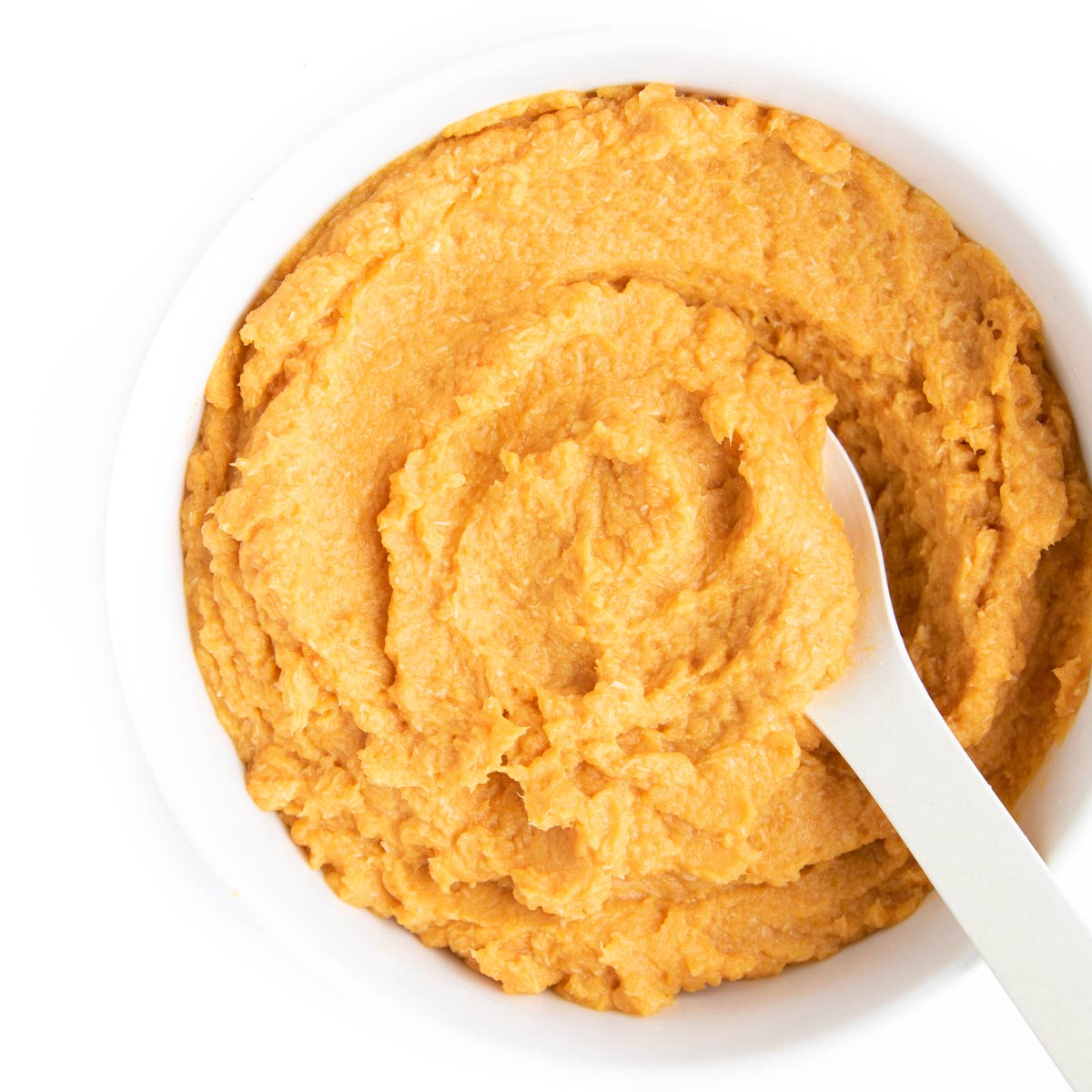
Sweet potatoes impart a creamy sweetness, delivering a world of taste to your baby’s palate. Carrots, with their vibrant orange hue, introduce another exciting taste adventure.
But the culinary journey doesn’t stop there – a list of mouthwatering puree recipes eagerly awaits your exploration. Whether you’re a first-time mom, a seasoned chef, or a kitchen novice, these recipes are primed to stimulate your baby’s taste buds.

RELATED ARTICLE: What Iron Rich Foods Are Good for Babies
RELATED ARTICLE: Why you shouldn’t use Talk Baby Powder, and what to use instead
Essential Puree Preparation Tools
To prepare delicious purees for your baby, you’ll need a few essential tools that will make the process easier and more efficient.
- Ablender or food processor is a must-have for pureeing fruits, vegetables, and grains into smooth textures.
- Storage containers are necessary for portioning and storing the purees in the refrigerator or freezer.
- Ice cube trays are ideal for freezing and storing single servings of purees for easy portioning.
- Knives and a veggie peeler are necessary for prepping and peeling fruits and vegetables before pureeing.
- A baking sheet is useful for roasting fruits and vegetables to enhance their flavors before pureeing.
With these tools on hand, you’ll be well-equipped to create homemade baby food recipes and provide nutritious and delicious purees for your little one.
RELATED ARTICLE: What to look for when buying baby toys: Be sure to buy NON Toxic Toys
Storage Tips for Baby Purees
When storing your homemade baby purees, it’s important to use airtight containers in the refrigerator or freezer for optimal freshness and longevity. Airtight containers prevent air from reaching the purees, reducing the risk of spoilage.
For storing in the refrigerator, use storage containers labeled with the date and recipe name. This helps you keep track of freshness and variety. Purees can be stored in the refrigerator for up to 4 days.
To store in the freezer, consider using freezer trays or silicone trays for easier removal of frozen baby food. Freeze purees in storage containers or freezer trays, and remember to label them as well.
Frozen puree cubes can be thawed and mixed for variety, providing different flavors and nutrients for your little one.
Enhancing Baby’s Puree Feeding Experience
Mixing purees with a variety of fruits, herbs, and spices can create a diverse and delicious feeding experience for your baby.
Here are some ways to enhance your baby’s puree feeding experience:
- Add a touch of sweetness with banana puree, which pairs well with a variety of flavors.
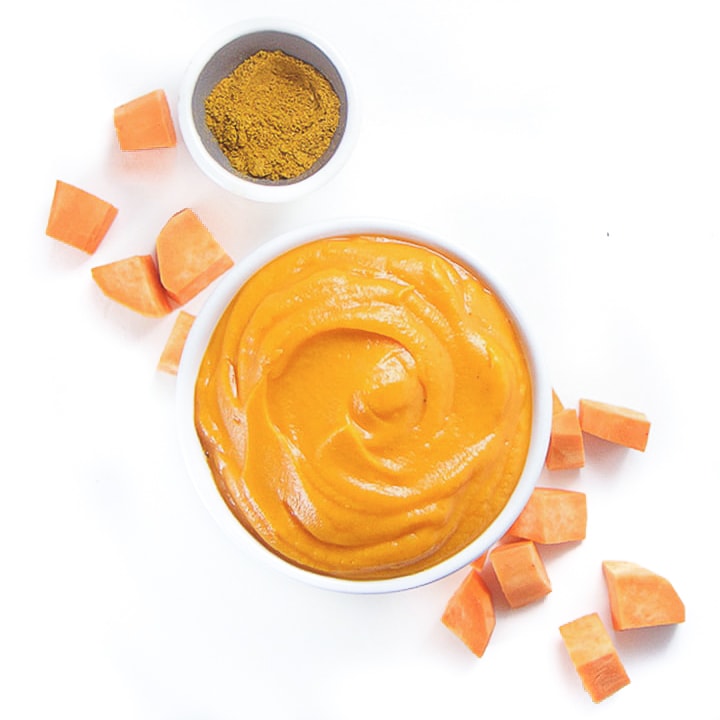
- Introduce the earthy and nutritious taste of sweet potato puree, which adds depth to any dish.
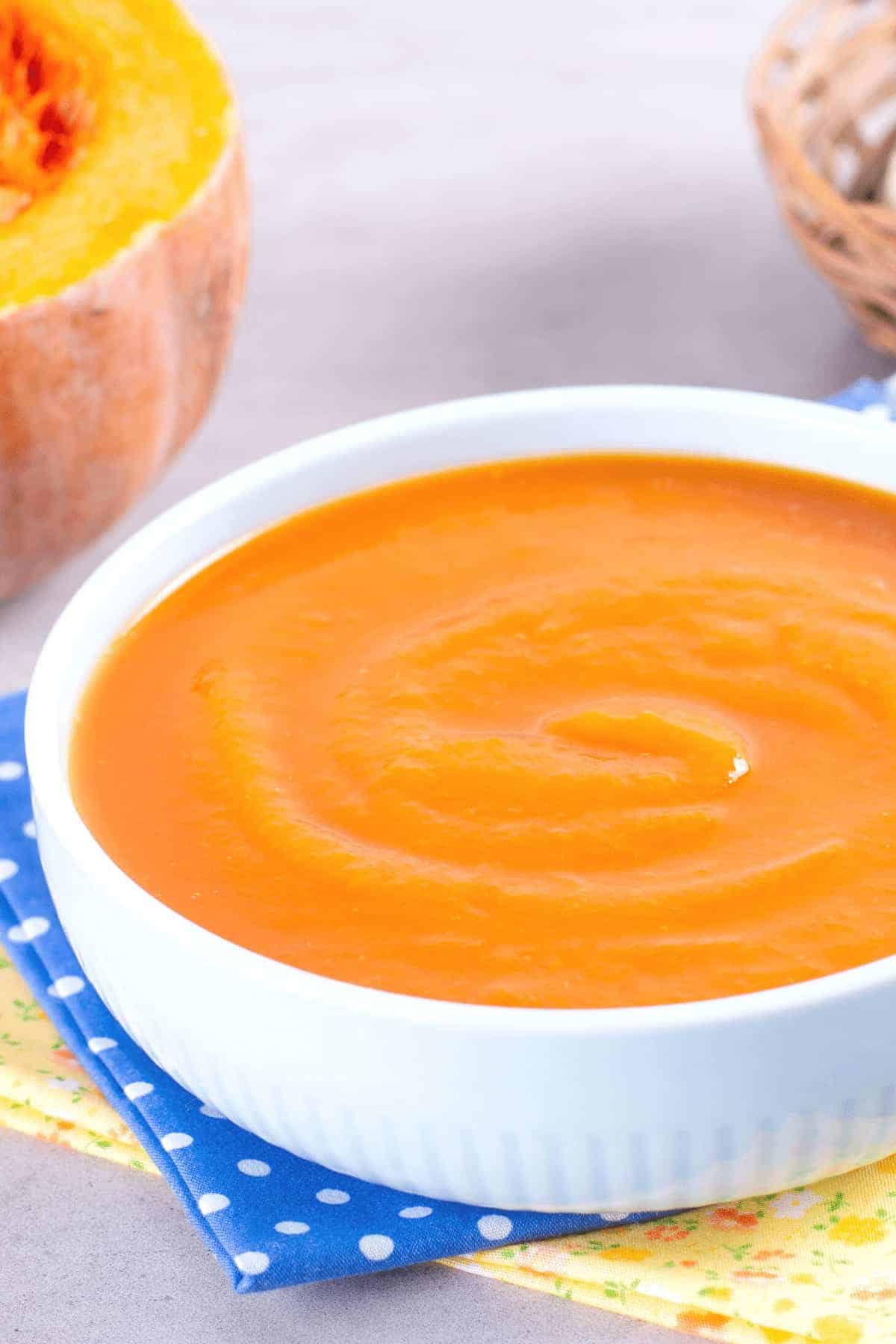
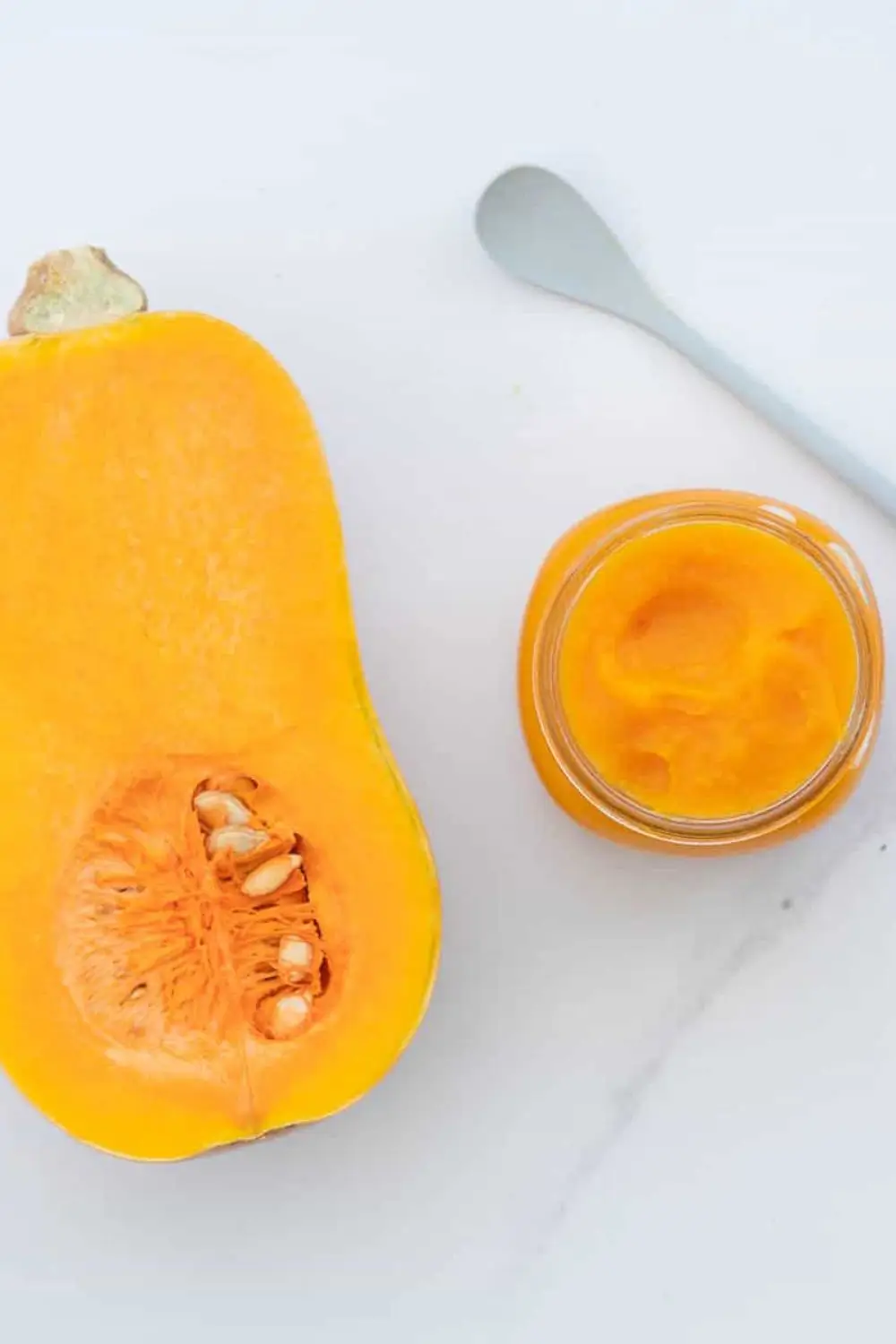
- Experiment with homemade baby food by incorporating butternut squash puree, known for its creamy texture and mild flavor.
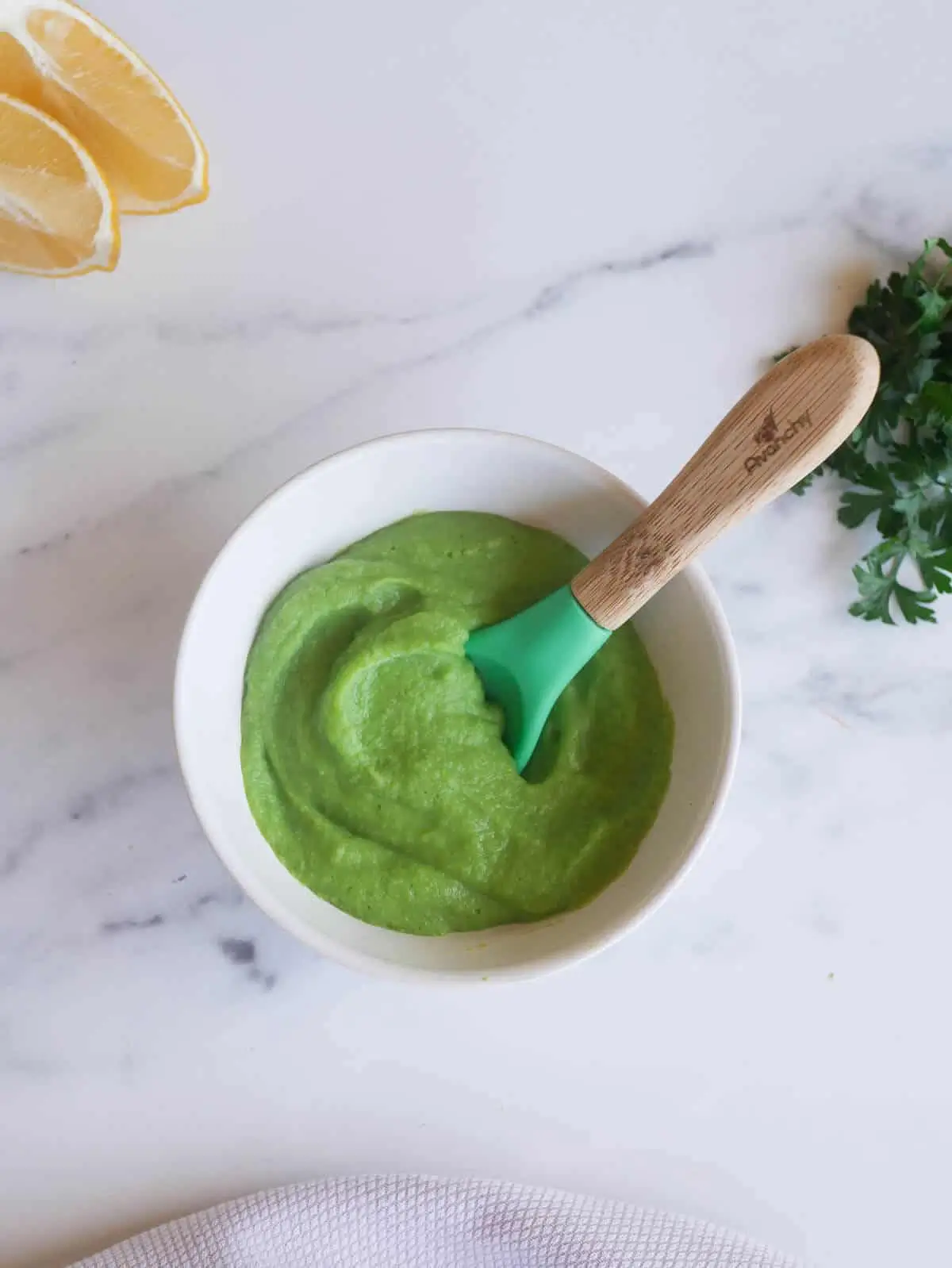
- Explore different tastes and textures with green puree, such as spinach or kale, which adds a vibrant color and a boost of nutrients to your baby’s meals.
- Incorporate herbs and spices like basil or ginger to add unique flavors and expand your baby’s palate.
More Puree Recipe Ideas for Babies
Discover a variety of nutritious and flavorful puree recipes for your baby‘s stage two journey. These homemade baby food purees are packed with essential nutrients and are easy to make.
For vegetable purees, try:
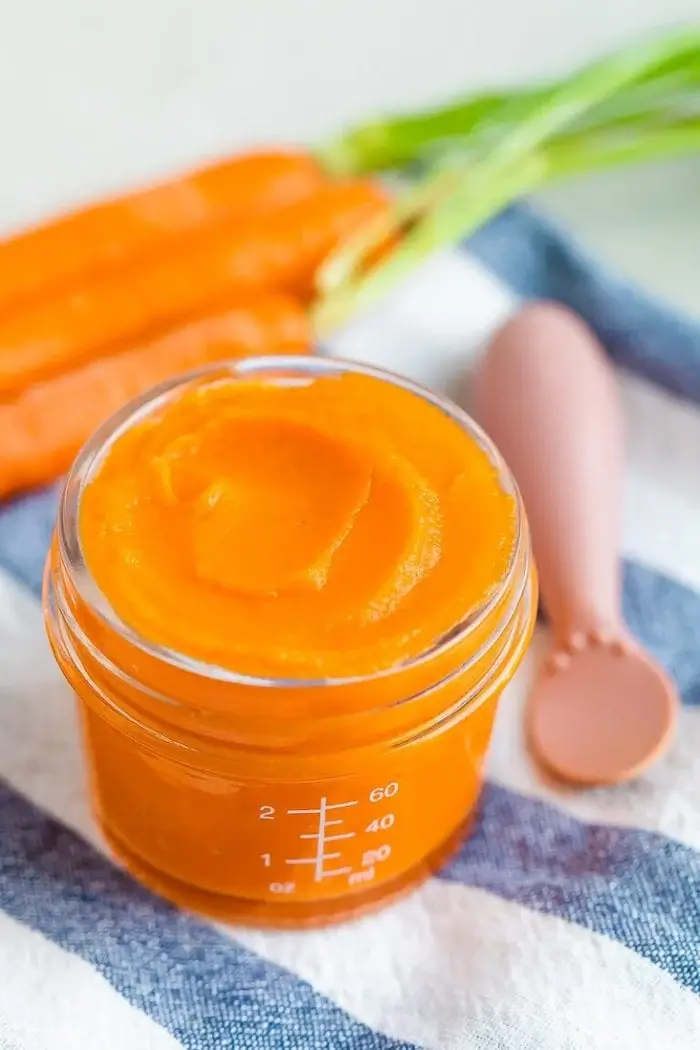
- Carrot
- Sweet potato
- Butternut squash
- Courgette
- Pea
- Kale
- Parsnip and pea
For delicious fruit purees, experiment with:
- Apple
- Banana and apple
- Pear
- Avocado and mint
- Orchard fruit purees
To add more flavor, try combinations like:
- Sweet potato and basil
- Sweet potato and pear
- Pear and rice
- Spinach and roasted carrot
- Avocado and pear
For unique taste experiences, explore:
- Blueberry, pear, and banana
- Butternut squash and banana
- Salmon surprise
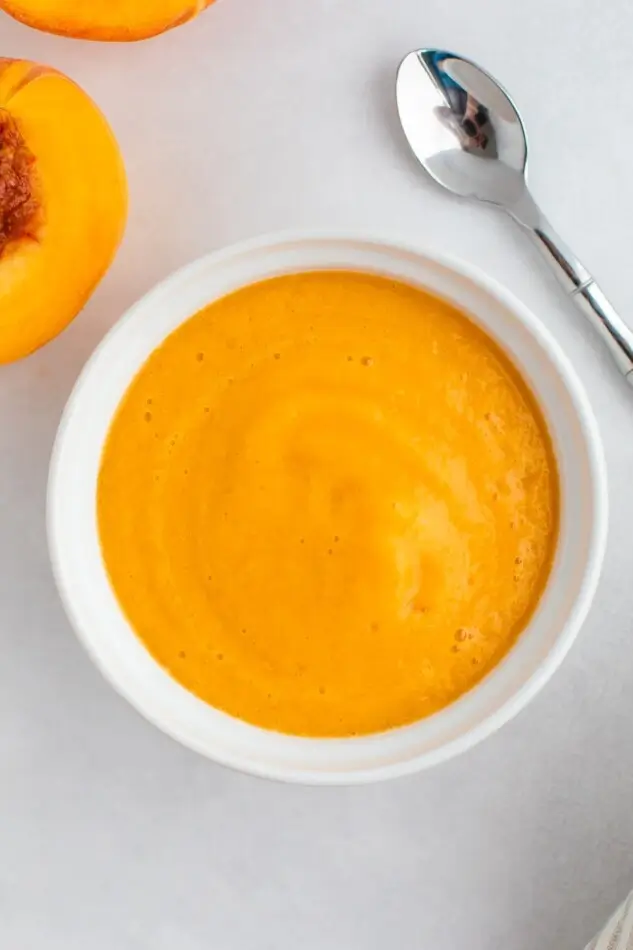
- Peach, apple, and strawberry
- Butternut squash and apricot purees
And for nutrient-packed options, incorporate:
- Sweet potato and lentil
- Cheesy carrot, parsnip, and potato
- Courgette and cauliflower
- Apricot, apple, and pear with vanilla
- Blueberry, apple, and peach purees
Enjoy making these delicious and nutritious purees for your little one.
RELATED ARTICLE: Should Babies Sleep in a Dark Room?
Frequently Asked Questions
What Are the Best Purees for Babies Starting Solids?
The best purees for babies starting solids are simple single-ingredient options like carrot and sweet potato. You can also try combinations like pear and rice or spinach and roasted carrot for more flavors and nutrients.
What Purees Should Babies Eat First?
You should start with simple vegetable purees like carrots or sweet potatoes. Gradually introduce combination purees with flavors like basil or roasted carrot. Consider fruit purees such as apples or bananas for natural sweetness. Opt for nutrient-dense options like sweet potato and lentil. Experiment with unique flavor combos.
How Can I Make My Baby Puree Taste Better?
To make your baby’s puree taste better, experiment with different fruit and vegetable combinations, add small amounts of spices like cinnamon or nutmeg, mix with yogurt or mashed banana, and consider adding healthy fats like olive oil or coconut milk.
What Are the Easiest Purees for Babies to Digest?
Carrot and sweet potato purees are the easiest for babies to digest. They are gentle on their stomachs and provide essential nutrients. Try these simple ingredient purees to introduce new flavors and promote healthy digestion.
Will These Puree Recipes Be Safe for Babies If They Include Honey?
When considering puree recipes for babies, it is essential to be aware of the risks of giving honey to kids. Honey can contain bacteria that can be harmful to infants, so it is best to avoid including honey in baby food recipes to ensure their safety and well-being.
Conclusion
As a conclusion, I want to share with you that these puree recipes for babies aren’t just filled with necessary nutrients, but they’re also full of delicious tastes. By adding a range of ingredients and different textures, I can ensure my baby enjoys diverse baby nutrition while getting a varied and well-rounded diet.
I always bear in mind that ‘good food, good mood!’ I’m starting my baby on a yummy and healthy food journey today, and I’m excited to see them flourish with each spoonful.